Tips for Creating a Relaxing Home Workspace to Boost Productivity
Creating a relaxing and productive home workspace is essential for anyone working remotely or spending significant time at home. A well-designed space can improve focus, reduce stress, and enhance overall work satisfaction. Whether you have a dedicated room or a small corner in your living space, these tips will help you set up an environment that supports both comfort and productivity.
Why a Relaxing Workspace Matters
Your work environment has a direct impact on how well you concentrate and how comfortable you feel during your work hours. A cluttered, noisy, or uncomfortable space can increase stress and decrease efficiency. Conversely, a thoughtfully arranged, soothing workspace encourages steady focus, creativity, and a positive mindset.
Choose the Right Location
Find a Quiet Spot
Select a quiet area in your home where distractions are minimal. This could be a spare room, a nook, or a corner of the living room. Avoid spaces with heavy foot traffic or loud noises.
Natural Light is Key
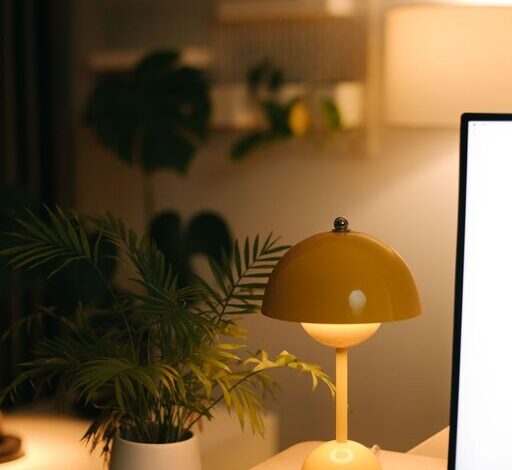
Place your workspace near a window if possible. Natural light helps regulate your body’s clock and reduces eye strain. If natural light is limited, opt for adjustable desk lamps that offer soft, warm lighting.
Invest in Comfortable Furniture
Ergonomic Chair
A supportive chair is crucial to prevent back pain and discomfort. Look for chairs with adjustable height, lumbar support, and comfortable padding.
Suitable Desk
Choose a desk with enough surface area to hold your computer, notebooks, and other essentials without feeling cramped. Standing desks or adjustable desks are excellent options to alternate between sitting and standing.
Organize and Declutter
Keep Essentials Within Reach
Arrange your workspace so that frequently used items like pens, notebooks, and your computer mouse are easily accessible. This reduces time wasted searching and promotes focus.
Use Storage Solutions
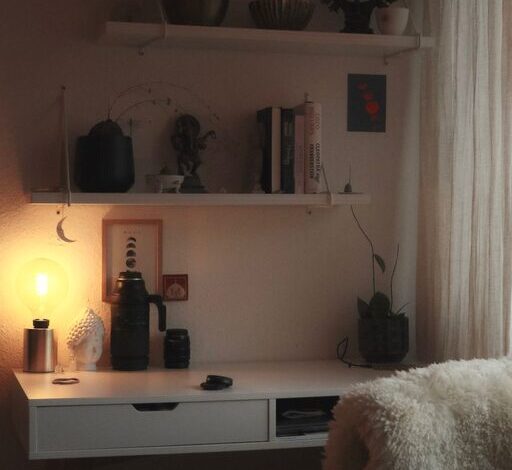
Incorporate shelves, drawers, or organizers to keep paperwork and supplies neat. Decluttering your desk helps clear your mind and keeps distractions low.
Personalize Your Space
Add Plants
Plants not only freshen the air but also have calming effects. Choose low-maintenance plants like succulents or snake plants that thrive indoors.
Use Calming Colors
Soft, neutral tones like blues, greens, or pastels promote relaxation. Consider repainting your workspace or adding accessories in these colors.
Incorporate Personal Items
Keep a few meaningful items like framed photos or artwork to make your workspace feel inviting without overwhelming the environment.
Control Noise and Distractions
Use Noise-Canceling Tools
If external sound is an issue, try noise-canceling headphones or play instrumental music to create a focused atmosphere.
Set Boundaries
Communicate your work hours with family members or housemates to minimize interruptions. Consider using room dividers or curtains if your workspace is in an open area.
Optimize Technology Setup
Position Your Screen Correctly
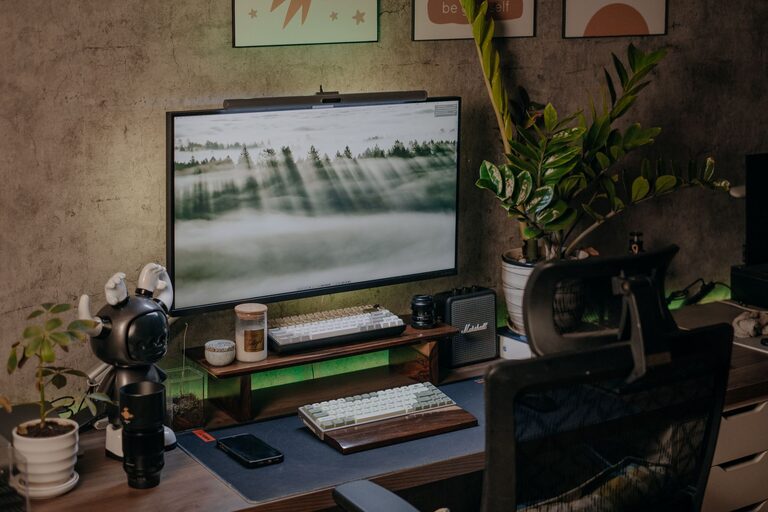
Place your computer monitor at eye level, about an arm’s length away, to avoid neck strain and reduce eye fatigue.
Manage Cables
Use cable organizers to prevent tangling and clutter, which can be distracting and unsafe.
Reliable Internet and Equipment
Ensure your internet connection and technological devices are reliable, so technical issues don’t disrupt your workflow.
Take Breaks and Move
Schedule Regular Breaks
Stand up, stretch, or take a short walk every hour. This helps reduce physical strain and refreshes your mind.
Use Break Prompts
Consider apps or timers to remind you to take short breaks, helping you maintain long-term focus.
Enhance Air Quality and Comfort
Ventilation
Keep your workspace well-ventilated by opening windows when possible or using air purifiers to keep fresh air circulating.
Temperature Control
Maintain a comfortable temperature; use fans or heaters as needed. Being too hot or cold can distract and decrease productivity.
Final Thoughts
Setting up a relaxing home workspace takes some thought and investment, but the benefits for your comfort and productivity are worth it. By choosing the right location, investing in ergonomic furniture, organizing well, and personalizing your space, you create an environment where you can focus and feel good throughout your workday. Remember that your workspace should evolve with your needs—regularly assess and improve it to keep it inviting and functional.