
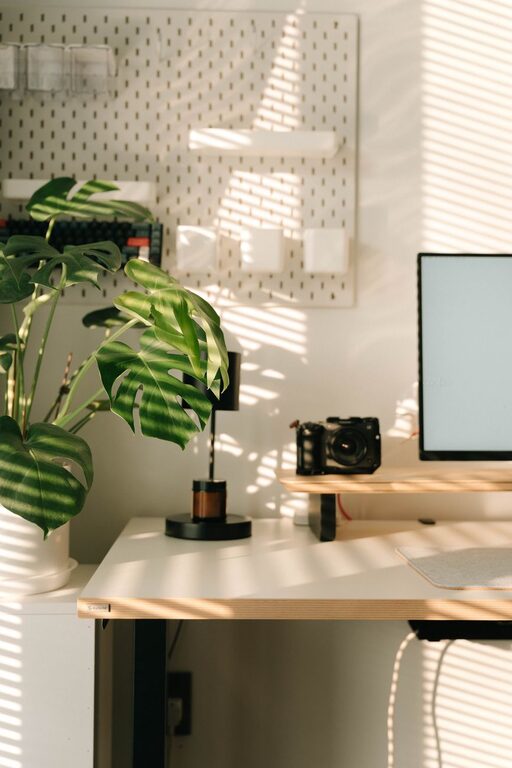
Tips for Creating a Relaxing and Productive Home Office Environment
Creating a home office that feels both relaxing and productive is key to successful remote work or focused projects at home. When your workspace supports your comfort and concentration, you’re more likely to have a pleasant workday and accomplish your goals efficiently. Whether you’re setting up a new space or improving an existing one, these tips can help you create an ideal home office environment.
Choose the Right Location
The first step in crafting a productive home office is selecting the best spot. Look for a place that’s quiet and has minimal distractions. If possible, avoid high-traffic areas in your home. Natural light is a huge plus—it helps improve mood and energy levels. Even a small corner next to a window can brighten your workspace and make it feel more inviting.
If space is limited, consider using a room divider or a bookshelf to create a separate zone specifically for work. This physical boundary can help your mind shift into work mode.
Invest in Comfortable and Functional Furniture
Comfort should never be an afterthought when working from home. Invest in a good quality chair with proper lumbar support to reduce back strain. Your desk should be at a height that allows your arms to rest comfortably while typing. Adjustable desks can offer flexibility for sitting or standing throughout the day.
Organize your workspace to minimize clutter and keep everything you need within easy reach. A clean, organized desk enhances focus and reduces stress.
Optimize Lighting
Good lighting plays a crucial role in both relaxation and productivity. Aim for a balance of natural and artificial light. Position your desk to take advantage of daylight but avoid glare on your computer screen.
Warm, adjustable LED lights can create a cozy atmosphere when natural light isn’t available. A desk lamp with brightness controls allows you to tune the lighting depending on the time of day or your tasks.
Personalize Your Space
Adding personal touches to your home office can make it a more pleasant place to spend time. Plants are an excellent choice—they improve air quality and add a calming natural element. Art, photos, or inspiring quotes can boost motivation.
While personalization is important, try to keep decorations minimal to avoid distraction. Choose items that bring you joy and help you feel comfortable without cluttering the space.
Create a Sound-Friendly Environment
Noise can be a major productivity killer. If you’re sensitive to sounds, consider noise-canceling headphones or playing soft background music or white noise to drown out distractions.
Soft furnishings such as rugs, curtains, and upholstered chairs can also help absorb sound and create a quieter environment.
Keep Technology Efficient and Organized
Your tech setup should support your work without causing frustration. Keep your computer, keyboard, mouse, and other equipment clean and organized. Use cable management tools to tidy up cords and avoid a tangled mess.
Regularly update software and back up important files to prevent interruptions. Consider a second monitor if you often multitask or work with multiple documents at once.
Establish a Routine and Boundaries
A relaxing and productive home office is not just about the physical environment—it’s about how you use the space. Set regular work hours to help create a routine, and communicate boundaries to others in your household.
Taking short breaks during the day to stretch or move around can refresh your mind and body. Use your office space only for work-related activities, if possible, to maintain a clear mental distinction between work and leisure.
Incorporate Organizational Tools
Use planners, calendars, or task management apps to keep track of your work and deadlines. Physical items like file holders, trays, and drawer organizers can keep papers and supplies in order.
A tidy workspace reduces stress and saves time searching for important documents or tools.
Maintain Air Quality and Comfort
Good air circulation and temperature control can directly affect your focus and comfort. Open windows when possible, use a small fan, or consider an air purifier to keep the air fresh.
Adjust your thermostat or use a space heater to maintain a comfortable temperature. Being too hot or too cold can distract you from your work.
Final Thoughts
Designing a home office that combines relaxation with productivity is about finding balance. By choosing the right location, investing in ergonomic furniture, optimizing lighting, and personalizing your space thoughtfully, you set yourself up for success. Remember to keep your area organized, establish healthy work habits, and create boundaries that protect your focus and well-being.
A well-planned home office can transform how you work and improve your overall experience working from home. Take the time to evaluate your needs and make changes that will help you feel both calm and motivated every day.

