Tips for Creating a Relaxing Home Workspace Environment
Creating a relaxing home workspace is more important than ever, especially as many people continue to work remotely or spend more time at home. A calm and well-organized environment can help enhance focus, reduce stress, and improve overall job satisfaction. Whether you have a dedicated room or a small corner, these tips will help you transform your workspace into a peaceful retreat that supports both comfort and productivity.
1. Choose the Right Location
The first step in creating a relaxing home workspace is selecting the ideal spot. Consider areas in your home that offer natural light and minimal distractions. If possible, avoid high-traffic spaces such as the kitchen or living room where noise and activity can interfere with concentration.
Tips for selecting your workspace location:
– Find a quiet corner or spare room
– Position your desk near a window to benefit from sunlight
– Ensure you have enough space to move comfortably
– Consider a spot with easy access to power outlets
2. Invest in Comfortable and Ergonomic Furniture
Comfort is key when designing a workspace where you’ll spend several hours each day. An ergonomic chair that supports your back and encourages proper posture helps prevent discomfort and fatigue.
What to look for in workspace furniture:
– Adjustable chair height and lumbar support
– A desk at the right height for your arms to rest naturally
– Space to stretch or change positions throughout the day
– Additional accessories like footrests, monitor stands, or keyboard trays as needed
3. Keep It Organized and Clutter-Free
Clutter can cause distractions and overwhelm your mind. A tidy workspace helps you stay focused and feel more relaxed.
Organizational ideas:
– Use storage solutions like shelves, drawers, and boxes to keep supplies out of sight
– Implement a filing system for papers and documents
– Keep only essential items on your desk
– Set aside time daily or weekly to tidy up your space
4. Use Calming Colors and Decor
Colors can influence mood and productivity. Soft, neutral colors like blues, greens, or pastels tend to create a soothing atmosphere. Avoid overly bright or intense shades that might cause eye strain or agitation.
Decorating tips to enhance relaxation:
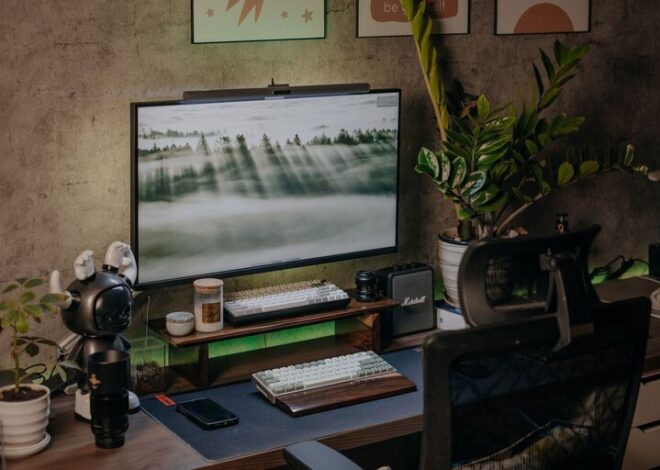
– Add plants or greenery to bring nature indoors
– Use simple artwork or inspirational quotes
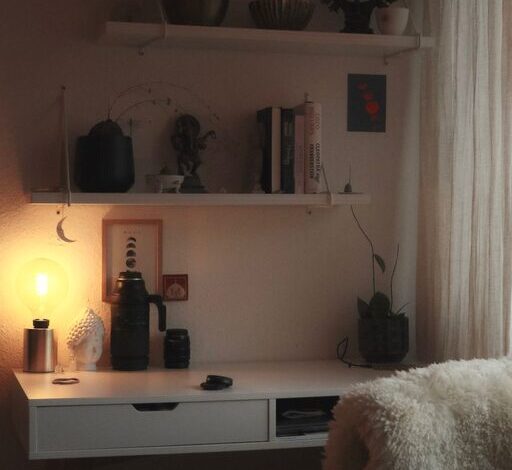
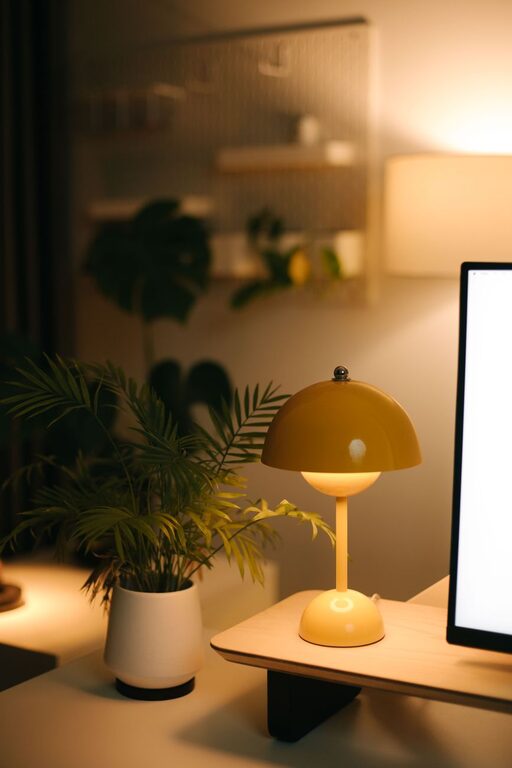
– Select soft lighting options such as desk lamps or string lights instead of harsh overhead lighting
– Incorporate textures like cushions or rugs for warmth and comfort
5. Control Noise Levels
Noise is a common distraction that can make it harder to concentrate. Depending on your environment, you can either minimize background sounds or introduce pleasant ambient noise.
Suggestions for managing noise:
– Use noise-canceling headphones or earplugs
– Play soft instrumental music or nature sounds
– Place a white noise machine nearby
– Add rugs, curtains, or padded furniture to absorb sound
6. Personalize Your Space Mindfully
Adding personal touches can make your workspace feel inviting and unique. However, avoid overcrowding your area with too many items.
Ideas for thoughtful personalization:
– Include photos of loved ones or memorable moments
– Display a calendar or planner that suits your style
– Keep a small inspirational object or memento nearby
7. Prioritize Air Quality and Temperature
A fresh, well-ventilated space contributes significantly to comfort and alertness.
Ways to improve air and temperature:
– Open windows regularly to circulate fresh air
– Use an air purifier if needed
– Maintain a comfortable room temperature, neither too hot nor too cold
– Consider a fan or heater to adjust conditions as necessary
8. Establish a Routine and Boundaries
A relaxing workspace also depends on how you use it. Setting routines and clear work hours helps your brain associate the space with productivity while maintaining work-life balance.
Suggestions for routines:
– Start the day by preparing your space (e.g., opening blinds, organizing your desk)
– Take short breaks for stretching or relaxation exercises
– End your workday by tidying the area and shutting down electronics
– Communicate your work hours to household members to minimize interruptions
—
Creating a relaxing home workspace is both an art and a science. By thoughtfully arranging your environment, focusing on comfort, and incorporating calming elements, you can foster a productive and pleasant atmosphere that supports your wellbeing. Remember, small changes can make a big difference in your daily work experience. Start with a few of these tips today, and watch your workspace—and workday—transform.